A-State News
Darwin Day Events at A-State – Exploring Biodiversity
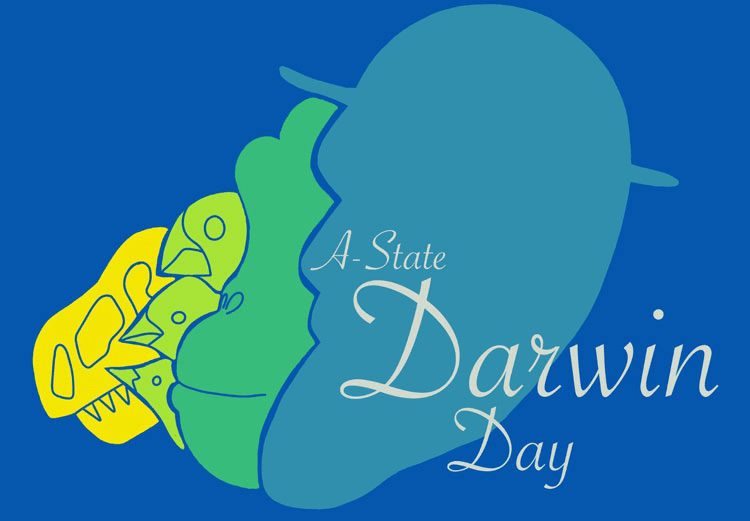
The Darwin Day Events at A-State series is returning with great promise, focused on the theme of biodiversity, promising to bring attendees exciting and rewarding scientific experiences, taking place from February 8 to February 14, 2025.
Darwin Day Events at A-State: Kicking Off with Art and Science
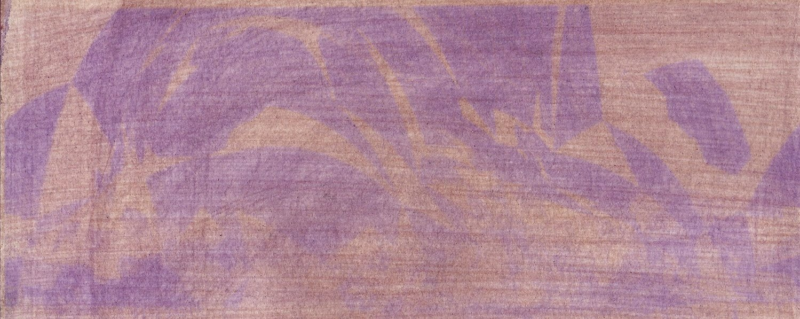
Kicking off this year's Darwin Day Events at A-State series is a unique blend of art and science, showcased through the Anthotypes workshop taking place on Saturday, February 8. This event is a collaboration between Arkansas State University and the Bradbury Art Museum, offering participants the opportunity to explore a unique and highly creative art form. Anthotype is a photographic printing technique that uses color derived from crushed plants. Dr. Drew Sweet, assistant professor of evolutionary biology and the event's lead organizer, emphasized the importance of connecting the community with science through creative and accessible activities like this one.
Anthotypes Workshop: Art from Nature
The Anthotypes workshop will run from 2:00 p.m. to 5:00 p.m. on Saturday, February 8, at the Bradbury Art Museum, located within the Fowler Center. This is a wonderful opportunity for participants to learn about the technique of creating unique works of art from natural materials.
The process of creating an Anthotype print begins by crushing plants, flowers, and leaves to extract natural color. This colored mixture is then used to create images on paper or other materials. This process not only produces beautiful works of art but also helps participants better understand the properties of plants and the diversity of colors found in nature. It can be seen as a way of connecting with nature and understanding it from a more intimate perspective.
Registration and Exploring the Art of Anthotypes
To participate in the workshop, attendees must register in advance at bradburyartmuseum.org/event/anthotypes. Advance registration is necessary so that organizers can fully prepare materials and ensure the quality of the workshop.
By joining the Anthotypes workshop, you'll not only learn a novel art technique but also have the chance to connect with others who share a passion for art and nature. This is a rewarding activity for both adults and children, helping to spark creativity and a love of nature. Through this, the Darwin Day Events at A-State aim to convey a message about the love of nature, creativity, and the spirit of learning from things that may seem simple at first glance.
Educational and Outreach Activities on Biodiversity
As part of the Darwin Day Events at A-State, educational and outreach activities on biodiversity will play an important role in raising community awareness. Discussions, workshops, and hands-on activities will help participants gain a deeper understanding of the importance of biodiversity and how to protect it.
Why Does Biodiversity Matter?
Biodiversity is not just about the abundance of animal and plant species; it is also an essential part of maintaining ecosystem balance. Every species plays its own role and contributes to nature's life cycle. When a species is threatened or disappears, it can have serious impacts on the surrounding environment and affect the survival of many other species.
We are part of this ecosystem, and our behavior can directly affect biodiversity. Raising awareness about the importance of biodiversity not only helps us better understand nature but also encourages us to take action to protect the environment. As part of the Darwin Day Events, educational activities will help participants clearly recognize this issue and foster a sense of responsibility toward nature.
Interactive Activities and Scientists
Throughout the event, there will be interactive activities featuring scientists and experts in the fields of biology and conservation. They will share their knowledge, experience, and research findings on biodiversity. Talks and group discussions will take place in a friendly, approachable atmosphere, giving participants the chance to ask questions and learn more about topics they're passionate about.
The presence of scientists not only builds confidence in the accuracy of the information but also offers deeper insight into the challenges of protecting biodiversity. By listening to stories from experts, participants can sense their passion and dedication to conservation work. This is sure to spark curiosity and a love of learning in everyone.
Encouraging Conservation Awareness through Hands-On Experience
One of the highlights of the event is its hands-on activities. Participants will have the opportunity to take part in activities such as nature walks, working at conservation areas, or joining local research projects on plants and animals. These activities not only allow participants to appreciate the beauty of nature but also equip them with practical knowledge about the region's biodiversity.
The feeling of immersing oneself in nature and witnessing the diversity of plant and animal species creates memorable experiences and helps people better understand their role in protecting the environment. These experiences are not only a valuable lesson but also a powerful source of inspiration for each individual to work together to protect and preserve nature for future generations.
Connecting Science and Community
The Darwin Day Events at A-State are not simply a scientific event but also a bridge between science and community. Through a variety of activities, the event creates an environment for exchange, learning, and sharing among nature lovers, scientists, and the local community.
The Intersection of Science and Art
Combining art and science is one of the event's major goals. Art is not only a means of expressing emotion but also a way of conveying a message about biodiversity. Through works of art derived from nature, participants will gain a deeper understanding of the beauty—and fragility—of the life around them.
Art has the power to touch people's hearts in ways that scientific theory cannot. In this way, the event creates a space for people to reflect together and discuss the relationship between humans and nature. This is a wonderful opportunity to develop the critical thinking and creativity needed for future generations.
Inspiring Community Action
Through this event, organizers hope that people will not simply absorb information but will also take concrete action to protect biodiversity. Activities such as tree planting, environmental cleanups, or participation in conservation programs will encourage everyone to work together toward a better environment.
Furthermore, the event also aims to inspire a sense of social responsibility in each individual. Every small action contributes to a larger change. When people join together in activities to protect nature, we build a more knowledgeable and compassionate community, ready to safeguard our natural heritage for future generations.
Connecting to the Future
Finally, the event is not only an occasion to celebrate science but also an opportunity to build lasting connections among individuals, organizations, and the community. Strengthening the exchange between scientists, artists, and the community will pave the way for new ideas and creative projects in the future.
These connections may lead to collaborative opportunities, deeper research, or simply engaging conversations about nature and biodiversity. It is through these relationships that we will build a solid foundation for sustainable development, where science and community are closely intertwined.
Conclusion
The Darwin Day Events at A-State are more than just a scientific event—they are a journey of discovery and connection with nature. Through artistic, educational, and community activities, the event aims to convey a powerful message about the importance of biodiversity and the role each individual plays in protecting nature. It is our hope that the experiences and knowledge gained will inspire everyone on their journey to preserve the richness of nature for generations to come.
For all related inquiries, please email asweet@AState.edu.
This article was translated from Vietnamese and is being reviewed by our admissions team.