
Student life
Living and studying in Jonesboro — the real numbers and rules
A campus of nearly 17,900 students in a city of 80,000: big enough for every amenity, small enough to stay safe and focused on study. Here are the decisions to make before you fly.
Four decisions to make before you fly
Choose your housing
Traditional residence hall, Pack Place apartment or off-campus — 2026–27 rates by hall and the first-year residency rule.
→Getting to Jonesboro
Fly HAN/SGN → Memphis (MEM), then the university shuttle 1.5 hours to campus; semester shuttle schedule and sign-up.
→Vietnamese community
Asian grocery, Multicultural Center, International Student Services and the VNIS alumni network.
→Getting around without a car
Free GOJO city bus with your A-State ID, grocery shuttle four times a week, Uber and bikes.
→Housing 2026–27 — reference rates
Per semester (about 4.5 months), meal plan not included. First-year students aged 17+ must live on campus.
| Room type | Rate / semester | Notes |
|---|---|---|
| Double room (traditional hall) | $2,730 | Most common for first-years; meal plan required |
| Single room (traditional hall) | $3,450 | More privacy, limited availability |
| Pack Place — 4-bedroom / 4-bathroom apartment | $3,755 | Private bedroom, shared kitchen; suits year 2 onward |
| Meal plan | $2,020 – $2,660 | Required in traditional halls; several tiers |
Full-year estimate (2 semesters) for a double room plus a mid-tier meal plan ≈ $10,000–10,800. Summer is billed separately. Rates are published by A-State Residence Life and may change annually.
Source: A-State Residence Life — Rates · Updated 08/2026
Mandatory health insurance
Every F-1 international student must buy the university health plan: about $570–650 per semester (≈ $1,100–1,300 per year), billed automatically with tuition.
Coverage includes visits to the on-campus Student Health Center, emergency care and hospitalisation under the plan terms. Jonesboro has two major hospitals (St. Bernards and NEA Baptist) under 10 minutes from campus.
Insurance bought in Vietnam cannot replace it, except where the university grants a written waiver (rare).
Work rules for F-1 students
On campus: up to 20 hours per week during term, full-time during breaks. Typical jobs: library, recreation centre, dining, lab assistant, campus tour guide. Pay is at or above the Arkansas minimum wage.
Off campus: only through CPT (internships within your program) or OPT (12 months after graduation, +24 months for STEM majors). Unauthorised off-campus work is a serious visa-status violation.
Graduate level: Graduate Assistantships of 20 hours per week include an out-of-state tuition waiver — highly competitive, apply early with your admission file.
Source: A-State International Programs · USCIS — Working in the United States (F-1) · Updated 08/2026
All student-life articles
Arrival & Orientation
→Biking on Campus
→Campus Recreation Activities
→Dependents
International students may be accompanied by family members to the United States at any time.
→Frequently Asked Questions
→Tham gia tích cực – Dành cho Sinh viên Quốc tế
→Health Insurance
→Housing Options
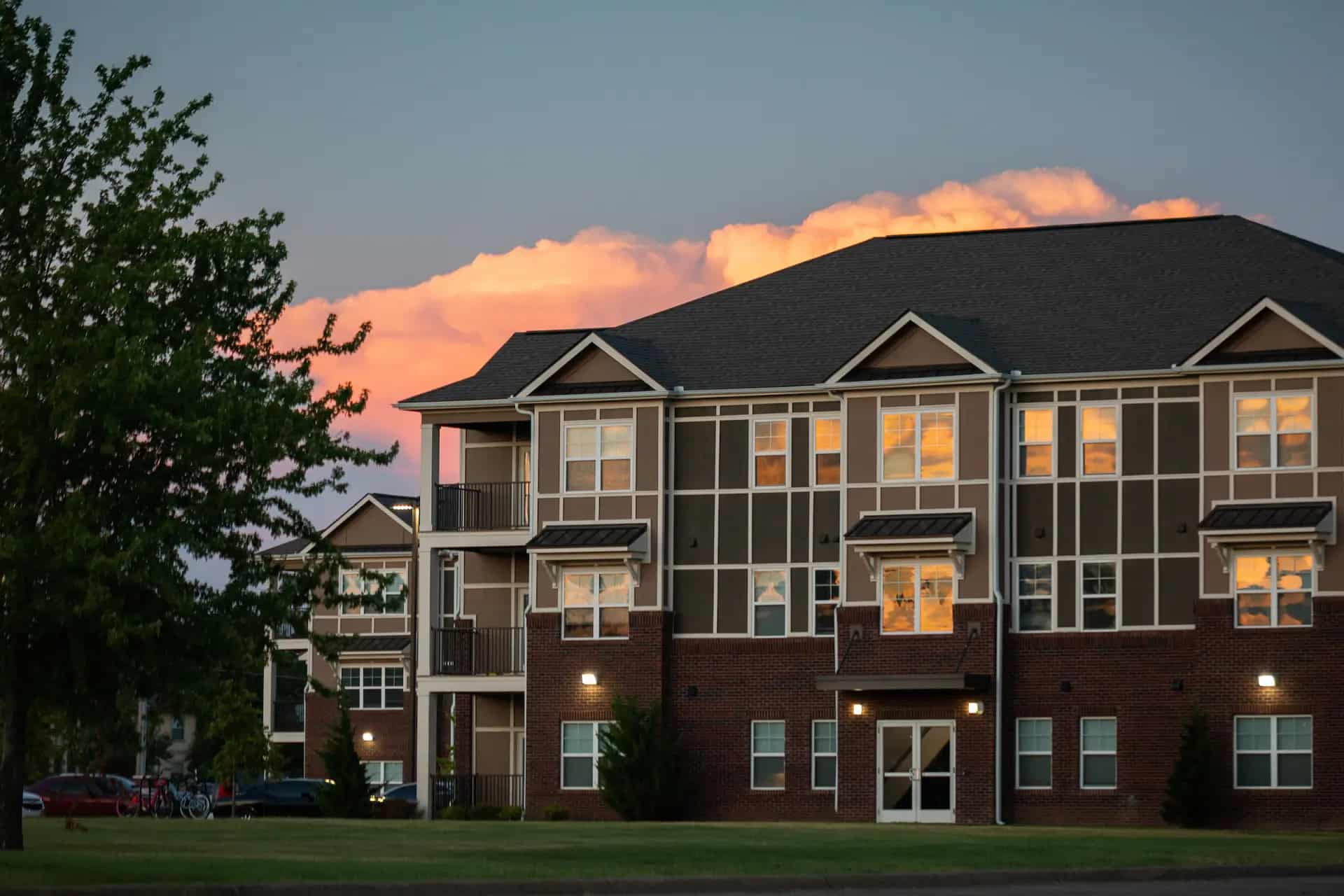
University Housing provides a safe, diverse, and well-maintained environment that complements and supports A-State's academic mission. We create a dynamic living/learning experience that promotes and inspires individuals to become empowered community members
→FAQ: Choosing Housing at Arkansas State University (A-State)
→Hướng dẫn chi tiết thủ tục đăng ký nhà ở A-State từ A–Z
→2+2 Partner Schools
→Leadership Center
→Multicultural Center
→Student Employment
→Student Union
→Student Security Operations Center
Learn about the Student Security Operations Center (SOC) at Arkansas State University – a student-run SOC model that helps students gain hands-on cybersecurity experience with industry-standard tools before graduation.
→Transportation
→Paying Tuition & Costs
→Frequently asked questions
Must first-year students live on campus?
Yes. First-year students aged 17 or older must live on campus, with limited exceptions (living with family within a set radius, married, aged 21+). The rule helps first-years settle academically and stay safe.
Does campus food suit Vietnamese tastes?
The main dining hall is a buffet with many options; there is rice, noodles and basic Asian dishes but no authentic Vietnamese food. Vietnamese students typically combine a meal plan with cooking from ingredients bought at the Asian Food Market (on the university shuttle route).
Do I need a car?
No. The GOJO bus is free with an A-State ID, the grocery shuttle runs four times a week, and the campus is walkable. Many second- and third-year students buy a used car for $5,000–8,000 for convenience, but it is not necessary.
Can students go home for Tết?
Tết usually falls mid-spring-semester (January–February), so going home is difficult. Most students return during summer break (May–August) or winter break (mid-December to mid-January).
Can part-time work cover living costs?
No. 20 hours a week at student wages covers personal spending (eating out, phone, transport) only. Tuition and housing must come from family funds and scholarships — this is also what the visa officer checks.
Need advice on housing, insurance or pre-departure?
Our admissions team guides you for free, from choosing a residence hall to the packing list.