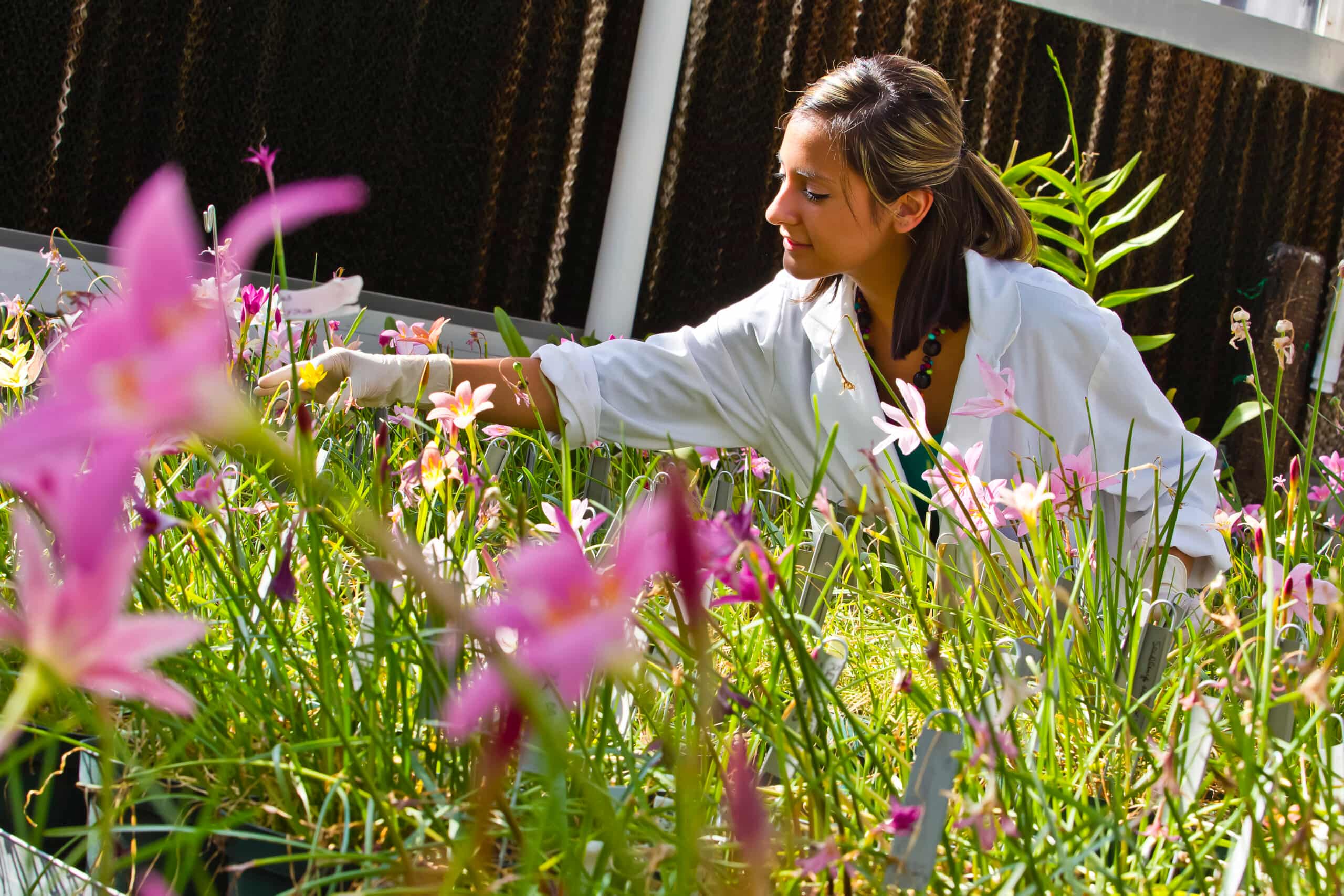
Student Employment at A-State
A part-time job can help students gain experience, build skills, and earn extra income, but for international students in the US, employment is always tied to clear immigration regulations. So before accepting a job, you need to understand exactly what type of work you're allowed to do and what steps you must complete.
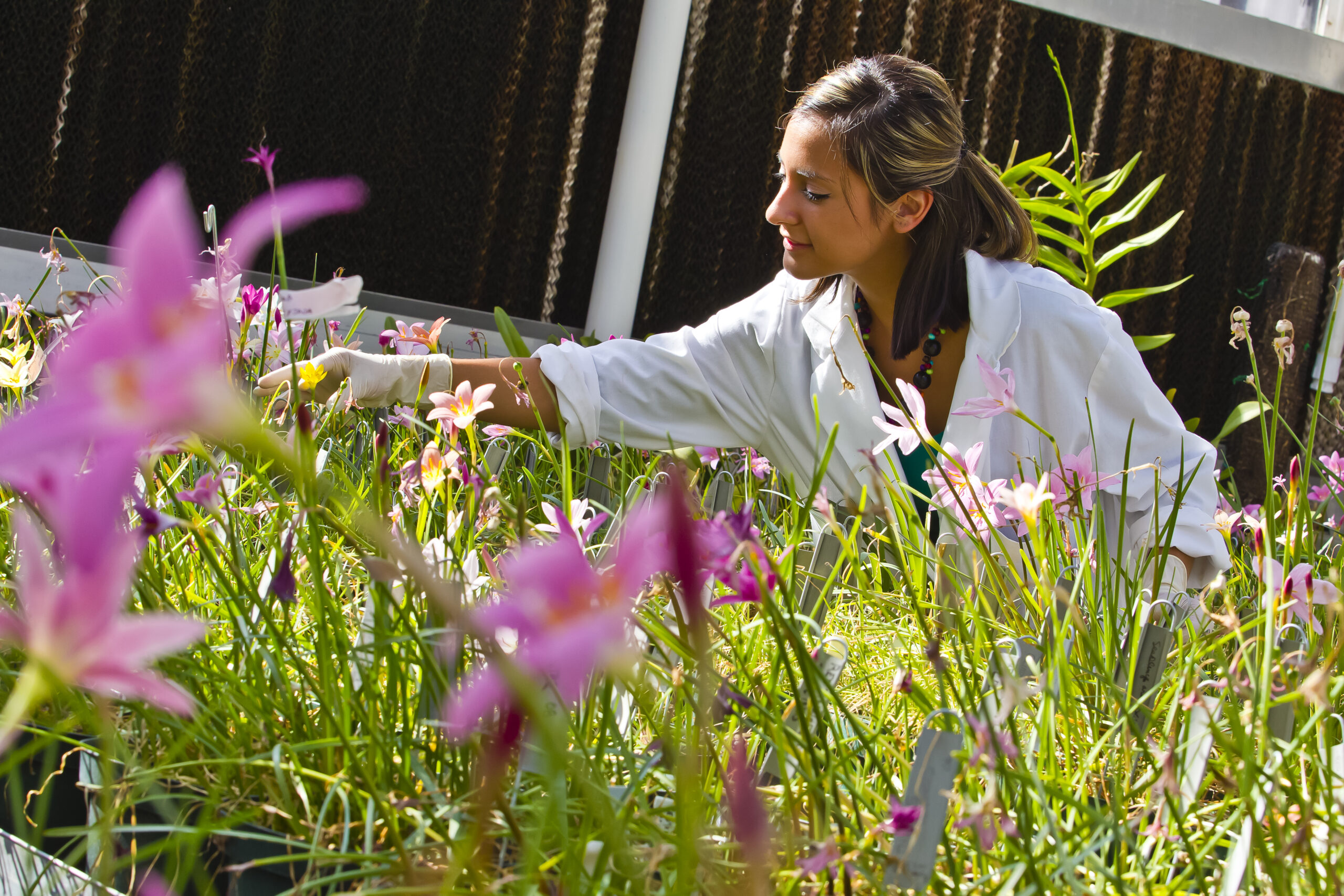
International student employment must fit within the correct legal framework
International students, especially those on F-1 status, need to understand employment law clearly to avoid violating their status. Not every type of job is permitted, and having a job opportunity doesn't automatically mean you can accept it right away.
In practice, most international students start with on-campus employment. If you want to work off campus, you'll usually need to qualify under an approved category such as CPT or OPT.
Working on campus
For F-1 students, this is usually the most accessible form of employment as long as you are maintaining valid status and have a suitable job on campus.
Work-hour limits
- A maximum of 20 hours/week while school is in session.
- You may work full-time during official school breaks and vacations if you remain eligible.
- You should also check the internal payroll rules of the university or the specific hiring department before accepting multiple shifts.
Where to find jobs
- A-State has Career Development & Engagement to support job searches, resumes, and career resources.
- Some student worker / part-time positions are also posted through internal hiring portals or individual departments.
- If you're not sure where to start, ask International Student Services or Career Services directly once you arrive on campus.
When can you start?
- You should only begin once you are in valid student status and have a clear job offer/arrangement.
- New students should prioritize following the correct process rather than rushing to accept a job before their paperwork is complete.
- If you are studying ELA or on a special track, confirm separately with International Student Services before accepting any job.
Things to remember
- On-campus employment does not mean you can work any job off campus.
- You must follow the type of employment that matches your visa status.
- Always ask in advance if you're not sure whether a job is valid.
Off-campus employment is not the default option
For F-1 students, working off campus is not considered an automatic right. You should only work off campus if you fall under an approved category, most commonly CPT or OPT, and you must have proper authorization/documentation before starting.
Working off campus
CPT
- CPT is employment/practical training tied to your academic program.
- Your DSO must authorize CPT before you begin working.
- Part-time CPT is 20 hours/week or less; full-time CPT is more than 20 hours/week.
OPT
- OPT is practical training directly related to your major area of study.
- Eligible students may apply for OPT according to USCIS regulations.
- You should not treat OPT as an ordinary part-time job; it's an employment category with its own specific procedures.
Your first academic year
- USCIS states that F-1 students may not work off-campus during the first academic year.
- This is one of the reasons international students usually start with on-campus work first.
If you're not sure
- Don't assume the legality of an internship or off-campus job offer on your own.
- Ask International Student Services / your DSO before accepting a job or signing any paperwork.
- Making a mistake with employment can directly affect your immigration status.
Applying for an SSN with an on-campus job
If you are eligible for on-campus employment and need a Social Security Number for payroll purposes, you will need to prepare the correct set of documents as required by the SSA.
Letter from the DSO
- Must confirm your current school status.
- Must clearly state your employer and the type of work you will do.
- Should be prepared using the correct internal template guided by your school/ISS.
Letter from the employer
- Your supervisor or hiring department needs to describe the job.
- The letter should include your start date, number of work hours, and supervisor information.
- The SSA also notes that the employment verification should not rely solely on the DSO if the DSO is also the employer.
Status documents
- Valid passport
- I-94
- The most recent, valid Form I-20
- For CPT, the I-20 employment page must be completed by the DSO
Practical notes
- Only submit your SSN application once you have an actual job offer / valid evidence of employment.
- If you're not sure which process your school uses, ask International Student Services first.
- Don't rely on outdated guidance from previous years without confirming it's still current.
The most important thing: maintain valid immigration status
You are responsible for your own status
Unauthorized employment can seriously affect your immigration status. Don't accept a job first and ask questions later.
Always be honest with your DSO
If you have an internship, job offer, or any situation you're unsure is valid, talk to your DSO/ISS honestly so you can get proper guidance.
Use official sources
When you need to check general regulations, prioritize Study in the States, USCIS, and the SSA. When you need to handle specific paperwork at A-State, ask the university's International Student Services.
Employment shouldn't be your top priority in your first term
For many new students, adjusting to academics, completing orientation, and understanding internal processes are usually more important than searching for a job too soon.
Frequently asked questions about international student employment
How many hours per week can F-1 students work?
Can I work off campus right away?
What do I need to apply for an SSN for an on-campus job?
Where should I look for jobs on campus?
What if I'm not sure whether a job is valid?
Want to better understand student employment at A-State?
Contact the Vietnam Office of Arkansas State University for further guidance, especially if you're preparing to enroll and want to understand the employment limitations for international students in advance.
This page was translated from Vietnamese and is being reviewed by our admissions team.
Updated August 22, 2026